
What is Laser Treatment?
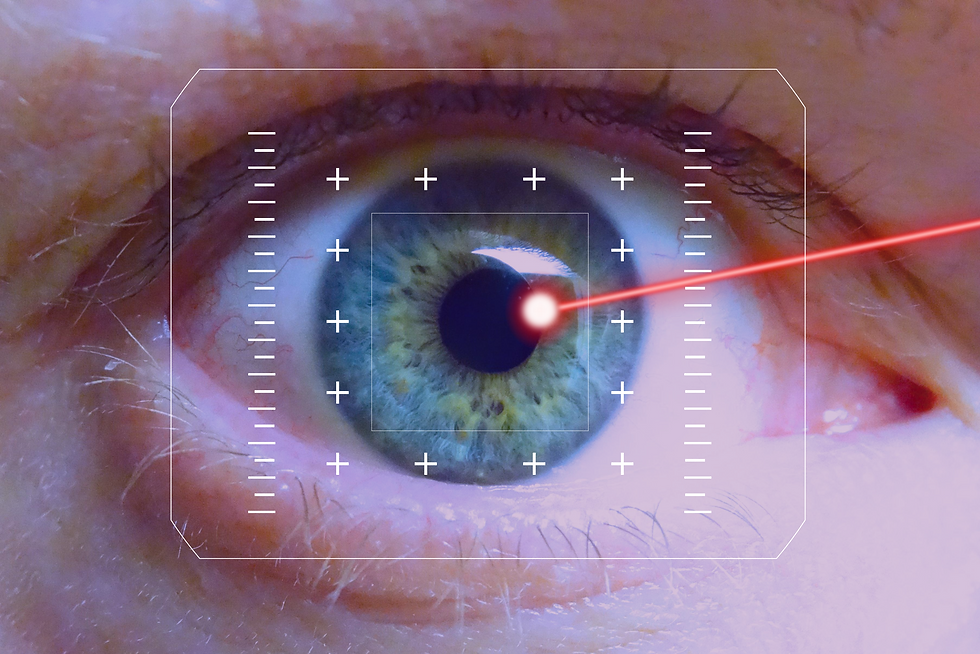
Laser treatment uses a highly focused beam of light to treat specific conditions affecting the retina—the thin, light-sensitive layer at the back of the eye responsible for creating visual images.
This procedure is often used to help preserve your current level of vision and to prevent further vision loss. While it may not restore lost sight, it can be an effective way to stabilize and protect your remaining vision.
The 3 most common types of retinal disease treated with a laser are:
-
Retinal holes or tears
-
Diabetic Retinopathy
-
Other problems with retinal blood vessels
Retinal holes or tears
If retinal holes or tears are left untreated, fluid can pass through the opening and collect underneath the retina. This can cause the retinal layers to separate, leading to a detachment. The extent of vision loss depends on how much of the retina becomes detached.
Laser treatment is often used to seal the retina around the tear, helping the layers stay attached and preventing further damage or vision loss.

Diabetic retinopathy
How Diabetes Can Affect the Retina
Diabetes can lead to two main types of damage to the retina:
-
Leaking Blood Vessels
Tiny blood vessels in the retina may begin to leak fluid, causing swelling. When this swelling occurs in the central area of your vision (the macula), it can result in blurred or distorted sight. Laser treatment can be used to seal the leaks and reduce the swelling.
-
Abnormal Blood Vessel Growth
In some cases, blood vessels in the retina become blocked. In response, the eye tries to grow new vessels—but these are often fragile and prone to bleeding into the eye. Laser treatment helps prevent these abnormal vessels from developing and reduces the risk of serious vision loss.
Other problems with retinal blood vessels
Laser treatment may also be used for ocular problems cause by abnormal blood vessels.
How do I get ready for a laser treatment session? Where do I go?
-
Eat Normally: You can eat your meals as usual. Feel free to bring a small snack if needed
-
Take Your Medications: Continue taking all of your regular medications and eye drops as directed
-
Medication List: Please bring a complete list of all your medications and eye drops with you to your appointment
-
Bring Sunglasses: Your eyes may be sensitive to light after treatment. Sunglasses will help protect your eyes, especially on bright days
-
Arrange a Ride: A responsible adult must accompany you to your appointment and drive you home afterward
-
Location & Time: Go to the Eye Center located on the 3rd floor of the Pasqua Hospital. Plan to be there for approximately 2 hours
-
Consent Form: You will be asked to sign a consent form before your treatment begins

What to Expect During Laser Treatment
-
Pupil Dilation: You will be given eye drops to dilate your pupils. This helps your eye doctor get a clear view of your retina.
-
Comfortable Positioning: You’ll be seated and gently reclined for the procedure
-
Local Anesthetic: Freezing drops will be placed in your eye to numb the area and keep you comfortable
-
Relaxation: Try to stay relaxed and breathe normally during the treatment
-
Visual Effects: You may see bright flashes of light as the laser is applied—this is completely normal
-
Treatment Time: The procedure typically takes between 5 and 15 minutes, depending on how much treatment is required

What to Expect After Laser Treatment
-
Temporary Blurry Vision: The drops used to dilate your pupils may cause your vision to be blurry for a few hours after the procedure. This usually improves within 3 to 4 hours
-
Medications: Continue using your regular eye drops and medications as prescribed
-
No Driving: Do not drive for the rest of the day following your laser treatment
-
Activity Restrictions: Your eye doctor will let you know if there are any specific activities you should avoid
When to Seek Help: Contact your eye doctor right away if you experience sudden vision loss or severe eye pain.


306-949-2028

3156 Avonhurst Drive, Regina Sask. S4R 3J7
.png)
Monday to Friday - 8:00 a.m. - 4:30 p.m.
Retinal Laser Treatment
What is Laser Treatment?
Laser treatment uses a highly focused beam of light to treat specific conditions affecting the retina—the thin, light-sensitive layer at the back of the eye responsible for creating visual images.
This procedure is often used to help preserve your current level of vision and to prevent further vision loss. While it may not restore lost sight, it can be an effective way to stabilize and protect your remaining vision.
The 3 most common types of retinal disease treated with a laser are:
-
Retinal holes or tears
-
Diabetic Retinopathy
-
Other problems with retinal blood vessels
Retinal holes or tears
If retinal holes or tears are left untreated, fluid can pass through the opening and collect underneath the retina. This can cause the retinal layers to separate, leading to a detachment. The extent of vision loss depends on how much of the retina becomes detached.
Laser treatment is often used to seal the retina around the tear, helping the layers stay attached and preventing further damage or vision loss.
Diabetic retinopathy
Diabetic Retinopathy
How Diabetes Can Affect the Retina
Diabetes can lead to two main types of damage to the retina:
-
Leaking Blood Vessels
Tiny blood vessels in the retina may begin to leak fluid, causing swelling. When this swelling occurs in the central area of your vision (the macula), it can result in blurred or distorted sight. Laser treatment can be used to seal the leaks and reduce the swelling.
-
Abnormal Blood Vessel Growth
In some cases, blood vessels in the retina become blocked. In response, the eye tries to grow new vessels—but these are often fragile and prone to bleeding into the eye. Laser treatment helps prevent these abnormal vessels from developing and reduces the risk of serious vision loss.

Other problems with retinal blood vessels
Laser treatment may also be used for ocular problems caused by abnormal blood vessels.
How do I get ready for a laser treatment session? Where do I go?
-
Eat Normally: You can eat your meals as usual. Feel free to bring a small snack if needed.
-
Take Your Medications: Continue taking all of your regular medications and eye drops as directed.
-
Medication List: Please bring a complete list of all your medications and eye drops with you to your appointment.
-
Bring Sunglasses: Your eyes may be sensitive to light after treatment. Sunglasses will help protect your eyes, especially on bright days.
-
Arrange a Ride: A responsible adult must accompany you to your appointment and drive you home afterward.
-
Location & Time: Go to the Eye Center located on the 3rd floor of the Pasqua Hospital. Plan to be there for approximately 2 hours.
-
Consent Form: You will be asked to sign a consent form before your treatment begins.
What to Expect During Laser Treatment
-
Pupil Dilation: You will be given eye drops to dilate your pupils. This helps your eye doctor get a clear view of your retina
-
Comfortable Positioning: You’ll be seated and gently reclined for the procedure
-
Local Anesthetic: Freezing drops will be placed in your eye to numb the area and keep you comfortable
-
Relaxation: Try to stay relaxed and breathe normally during the treatment
-
Visual Effects: You may see bright flashes of light as the laser is applied—this is completely normal
-
Treatment Time: The procedure typically takes between 5 and 15 minutes, depending on how much treatment is required
What to Expect After Laser Treatment
-
Temporary Blurry Vision: The drops used to dilate your pupils may cause your vision to be blurry for a few hours after the procedure. This usually improves within 3 to 4 hours
-
Medications: Continue using your regular eye drops and medications as prescribed
-
No Driving: Do not drive for the rest of the day following your laser treatment
-
Activity Restrictions: Your eye doctor will let you know if there are any specific activities you should avoid

When to Seek Help: Contact your eye doctor right away if you experience sudden vision loss or severe eye pain
.png)
306-949-2028
eyesurgeonsofregina@gmail.com
3156 Avonhurst Drive, Regina Sask. S4R 3J7
Monday to Friday - 8:00 a.m. - 4:30 p.m.